
With Semi-Truck Underride Collision: Pursuing Justice for Catastrophic Safety Failures at the forefront, this paragraph opens a window to an amazing start and intrigue, inviting readers to embark on a storytelling casual formal language style filled with unexpected twists and insights.
The content of the second paragraph that provides descriptive and clear information about the topic
Overview of Semi-Truck Underride Collisions
Semi-truck underride collisions are accidents that occur when a smaller vehicle slides under the trailer of a large truck, often leading to catastrophic outcomes for the occupants of the smaller vehicle. These collisions typically happen when the smaller vehicle rear-ends the semi-truck or is unable to stop in time, causing it to go underneath the trailer.
Typical Scenarios of Semi-Truck Underride Collisions
- Incidents where a passenger car fails to brake in time and slides beneath the rear of a semi-truck.
- Situations where a smaller vehicle becomes trapped underneath the trailer of a semi-truck during a side collision.
- Cases where a car skids and wedges itself underneath the trailer due to slippery road conditions.
Statistics on Semi-Truck Underride Collisions
Semi-truck underride collisions are alarmingly frequent and pose a significant danger to motorists. According to the Insurance Institute for Highway Safety (IIHS), these collisions result in around 200 fatalities each year in the United States alone. Additionally, studies have shown that underride collisions are more likely to be fatal compared to other types of accidents involving large trucks.
Causes and Factors Contributing to Semi-Truck Underride Collisions
When it comes to semi-truck underride collisions, several causes and contributing factors play a significant role in the occurrence of these tragic accidents. Understanding these factors is crucial in implementing effective safety measures to prevent future incidents.
Primary Causes of Semi-Truck Underride Collisions
- Poor Visibility: One of the primary causes of semi-truck underride collisions is poor visibility for both truck drivers and other motorists on the road. This lack of visibility can make it challenging to anticipate and avoid potential collisions.
- Driver Fatigue: Fatigued truck drivers pose a significant risk on the road, as drowsiness can impair their judgment and reaction times, increasing the likelihood of underride collisions.
- Equipment Failure: Malfunctioning brake systems, defective lights, or other equipment failures on semi-trucks can also contribute to underride collisions, especially when these issues are not promptly addressed.
Role of Driver Behavior in Underride Collisions
- Distracted Driving: Engaging in activities like texting, eating, or adjusting the radio while driving can distract truck drivers, leading to a higher risk of underride collisions.
- Speeding: Excessive speed reduces the driver's ability to react to sudden changes in traffic conditions, increasing the chances of underride collisions due to reduced stopping distance.
- Aggressive Driving: Aggressive behaviors such as tailgating or sudden lane changes can escalate the likelihood of underride collisions by creating unsafe conditions on the road.
External Factors Contributing to Underride Collisions
- Poor Road Conditions: Factors like potholes, uneven surfaces, or inadequate road signage can make it difficult for both truck drivers and other motorists to navigate safely, increasing the risk of underride collisions.
- Inclement Weather: Adverse weather conditions such as heavy rain, snow, or fog can impair visibility and road traction, making it more challenging to avoid underride collisions.
- Inadequate Lighting: Insufficient lighting on highways or poorly lit areas can obscure the visibility of semi-trucks, making it harder for other drivers to see and avoid potential underride collisions.
Legal Implications and Regulations Surrounding Semi-Truck Underride Collisions
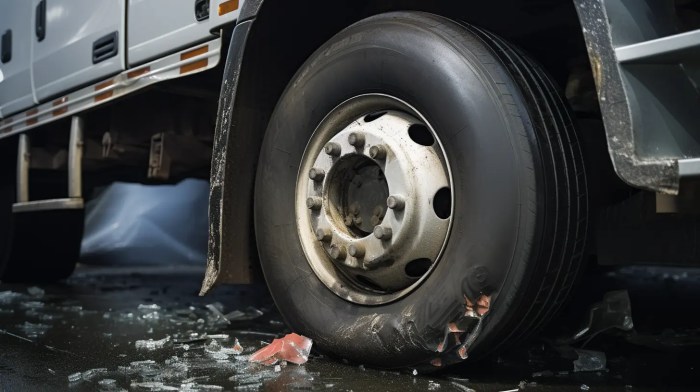
In the realm of semi-truck underride collisions, the legal landscape plays a crucial role in determining accountability and ensuring justice for victims of these catastrophic events.
Existing Laws and Regulations Related to Semi-Truck Underride Guards
- Currently, the National Highway Traffic Safety Administration (NHTSA) mandates specific requirements for underride guards on commercial trucks to prevent passenger vehicles from sliding underneath in the event of a collision.
- These regulations dictate the design, strength, and placement of underride guards to enhance safety and reduce the risk of severe injuries or fatalities.
- However, there are ongoing debates and discussions within the legal and regulatory spheres regarding the effectiveness and adequacy of existing standards in addressing the issue of underride collisions.
Liability Determination in Cases of Semi-Truck Underride Collisions
- When a semi-truck underride collision occurs, determining liability can be a complex process that involves assessing factors such as driver negligence, mechanical failures, and compliance with safety regulations.
- Legal professionals often rely on evidence from accident reconstruction experts, witness testimonies, and data from the truck's onboard systems to establish fault and hold responsible parties accountable.
- The presence or absence of a properly functioning underride guard can significantly impact the outcome of liability determinations, highlighting the critical role of these safety features in preventing catastrophic injuries.
Challenges Faced by Legal Professionals in Pursuing Justice for Victims of Underride Collisions
- One of the primary challenges faced by legal professionals in underride collision cases is the complexity of proving causation and liability, especially when multiple parties may share responsibility for the incident.
- The lack of comprehensive data on underride collisions and their outcomes can also hinder the legal process, making it difficult to establish trends, patterns, and best practices for preventing these tragic events.
- Moreover, navigating the intricate web of state and federal regulations governing trucking operations and safety standards requires specialized knowledge and expertise to effectively advocate for victims and their families.
Advocacy and Safety Measures for Preventing Semi-Truck Underride Collisions
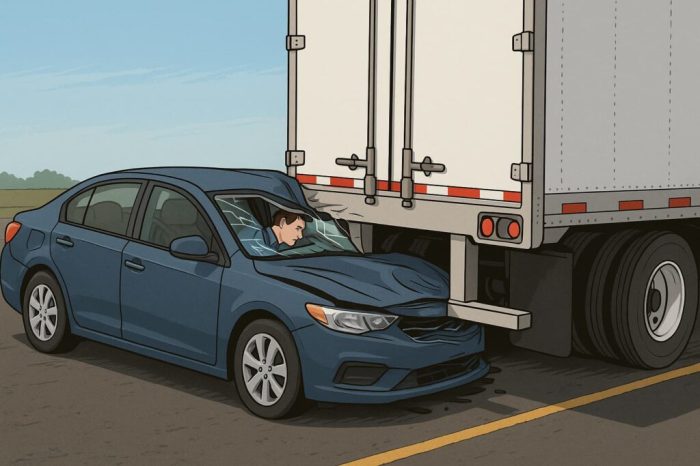
In the effort to prevent semi-truck underride collisions, advocacy groups and safety organizations have been working tirelessly to improve underride guard standards and promote the adoption of innovative safety technologies.
Advocacy Efforts for Improved Underride Guard Standards
- Advocacy groups have been pushing for stricter regulations regarding underride guards on semi-trucks to ensure they are effective in preventing vehicles from sliding underneath in the event of a collision.
- Efforts are being made to hold manufacturers accountable for producing underride guards that meet higher safety standards and can withstand different types of impacts.
- Collaboration between advocacy groups, legislators, and industry stakeholders is crucial in advocating for enhanced underride guard requirements to ultimately save lives on the road.
Innovative Safety Technologies to Reduce Underride Collisions
- New technologies such as side underride guards and rear impact guards are being developed to provide additional protection in the event of a collision between a passenger vehicle and a semi-truck.
- Advanced braking systems and collision avoidance technologies are also being integrated into trucks to help mitigate the risk of underride collisions by preventing or reducing the impact force.
- Telematics systems that monitor driver behavior and provide real-time feedback are being utilized to promote safer driving practices and reduce the likelihood of accidents, including underride collisions.
Approaches to Preventing and Mitigating Semi-Truck Underride Collisions
- Education and training programs for both truck drivers and passenger vehicle drivers are key in raising awareness about the dangers of underride collisions and promoting safe driving practices on the road.
- Collaboration between government agencies, industry stakeholders, and safety advocates is essential in developing comprehensive strategies to address the root causes of underride collisions and implement effective preventive measures.
- Regular inspections and maintenance of underride guards on semi-trucks are critical to ensuring their proper functionality and compliance with safety standards to minimize the risk of underride collisions.
End of Discussion
The content of the concluding paragraph that provides a summary and last thoughts in an engaging manner
Helpful Answers
What are the common scenarios where semi-truck underride collisions occur?
Semi-truck underride collisions commonly happen at intersections, during sudden stops, or in low visibility conditions.
How are liability and legal implications determined in cases of semi-truck underride collisions?
Liability in underride collision cases is often determined based on factors such as negligence, adherence to regulations, and the role of different parties involved. Legal implications involve examining existing laws and regulations related to underride guards.
What are some innovative safety technologies designed to reduce the risk of underride collisions?
Innovative safety technologies include rear impact guards, side underride protection, and improved visibility aids for drivers.