Ecommerce Business Plan Template: Build a Profitable Online Store from Scratch sets the stage for this enthralling narrative, offering readers a glimpse into a story that is rich in detail with casual formal language style and brimming with originality from the outset.
The Artikel above delves into key components of creating a successful ecommerce business plan, from market research to product selection, website design, marketing strategies, financial projections, logistics, and customer service.
Overview of Ecommerce Business Plan Template
Starting an ecommerce business requires careful planning and strategizing to ensure long-term success. A comprehensive ecommerce business plan should Artikel key components to guide the development and growth of the online store.
Key Components of a Comprehensive Ecommerce Business Plan
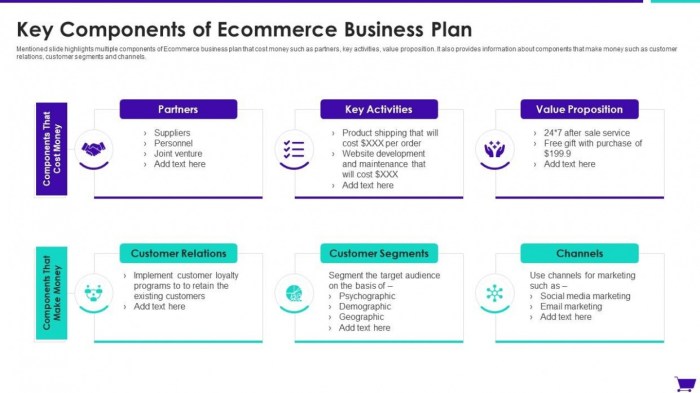
- Market Analysis: Understanding the target market, competition, and industry trends.
- Product Selection: Identifying the products to sell, sourcing suppliers, and pricing strategies.
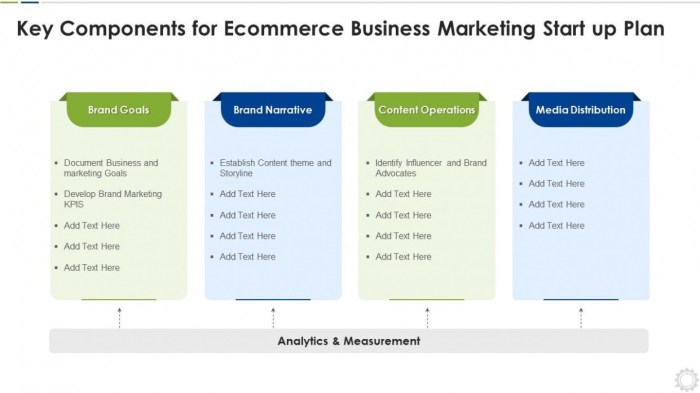
- Marketing and Sales Strategy: Outlining how to attract customers, drive traffic, and convert sales.
- Financial Projections: Estimating startup costs, revenue forecasts, and profitability goals.
- Operational Plan: Detailing logistics, fulfillment, customer service, and technology requirements.
Importance of Having a Well-Thought-Out Plan
A well-crafted ecommerce business plan serves as a roadmap for success, helping entrepreneurs stay focused, make informed decisions, and mitigate risks. It provides clarity on goals, strategies, and tactics to achieve sustainable growth.
Examples of Successful Ecommerce Businesses
- Amazon: Started as an online bookstore, Amazon's business plan evolved to become the world's largest online retailer, offering a wide range of products and services.
- Warby Parker: Known for disrupting the eyewear industry, Warby Parker's business plan emphasized affordable, stylish glasses sold directly to consumers online.
- Sephora: The beauty retail giant leveraged its ecommerce business plan to expand its reach, offering a seamless online shopping experience for customers worldwide.
Market Research and Analysis
Market research plays a crucial role in developing an ecommerce business plan as it provides valuable insights into the target market, customer preferences, and competitive landscape. By conducting thorough market research, online store owners can make informed decisions, minimize risks, and maximize opportunities for success.
Identifying Target Markets and Customer Segments
Understanding your target market and customer segments is essential for tailoring your products, marketing strategies, and customer experience to meet their needs. Here are some methods to identify target markets and customer segments for your online store:
- Conduct surveys and interviews with potential customers to gather information about their preferences, buying behavior, and pain points.
- Analyze data from website analytics, social media insights, and customer feedback to identify trends and patterns.
- Segment your target market based on demographics, psychographics, and behavior to create targeted marketing campaigns.
- Utilize market research tools and reports to gather industry-specific data and insights on consumer behavior.
Conducting Competitive Analysis
Competitive analysis is crucial for understanding the market landscape, identifying key competitors, and positioning your online store effectively. Here are some methods for conducting competitive analysis:
- Identify direct and indirect competitors in your niche and analyze their products, pricing, marketing strategies, and customer reviews.
- Assess the strengths and weaknesses of your competitors to identify gaps in the market that your online store can capitalize on.
- Monitor competitor activities, such as product launches, promotions, and customer engagement, to stay updated on market trends and opportunities.
- Benchmark your online store against competitors to identify areas for improvement and differentiation to attract and retain customers.
Product Selection and Sourcing
When starting an ecommerce business, one of the crucial aspects to consider is selecting the right products to sell and finding reliable suppliers to source them from. The success of your online store greatly depends on the quality and differentiation of the products you offer to your customers.
Process of Selecting Products
- Conduct market research to identify trending products and niche opportunities.
- Consider your target audience's preferences and purchasing behavior.
- Analyze competitors to understand what products are popular in the market.
- Choose products that align with your brand and business goals.
Finding Reliable Suppliers
- Attend trade shows and industry events to connect with potential suppliers.
- Utilize online supplier directories and platforms to search for reputable suppliers.
- Request samples from multiple suppliers to assess product quality and reliability.
- Negotiate pricing, terms, and shipping arrangements to ensure a mutually beneficial partnership.
Importance of Product Quality and Differentiation
- High-quality products help build trust and credibility with customers, leading to repeat purchases and positive reviews.
- Differentiated products set your ecommerce store apart from competitors and attract a unique customer base.
- Focus on providing value to customers through innovative products, excellent customer service, and a seamless shopping experience.
Website Design and Development
Creating a successful ecommerce website involves more than just listing products online. It requires careful planning, strategic design, and seamless development to ensure a positive user experience and drive online sales.User experience (UX) and user interface (UI) design play a crucial role in the success of an ecommerce website.
UX focuses on how users interact with the site, ensuring it is intuitive, easy to navigate, and provides a seamless shopping experience. UI design, on the other hand, focuses on the visual aspects of the website, including layout, colors, and typography, to create an appealing and engaging interface for users.
Key Elements of an Effective Ecommerce Website Design
- Mobile responsiveness: With the increasing use of mobile devices for online shopping, it is essential to have a website that is optimized for mobile users.
- Clear navigation: Easy navigation helps users find products quickly and improves the overall shopping experience.
- High-quality images: Visually appealing product images can attract customers and encourage them to make a purchase.
- Simple checkout process: A streamlined checkout process with multiple payment options can reduce cart abandonment rates.
- Search functionality: A search bar allows users to quickly find specific products they are looking for.
Choosing the Right Ecommerce Platform
- Consider your budget: Some ecommerce platforms are more affordable than others, so it's important to choose one that aligns with your budget and business goals.
- Scalability: Choose a platform that can grow with your business and accommodate increasing traffic and sales.
- Features and integrations: Look for an ecommerce platform that offers the features and integrations you need, such as inventory management, analytics, and marketing tools.
- User-friendly interface: Opt for a platform that is easy to use and allows you to customize your website without requiring advanced technical skills.
Marketing and Sales Strategies
Effective marketing and sales strategies are crucial for the success of any ecommerce store. By utilizing digital marketing tools and techniques, you can drive traffic to your online store and convert visitors into paying customers
Digital Marketing Strategies
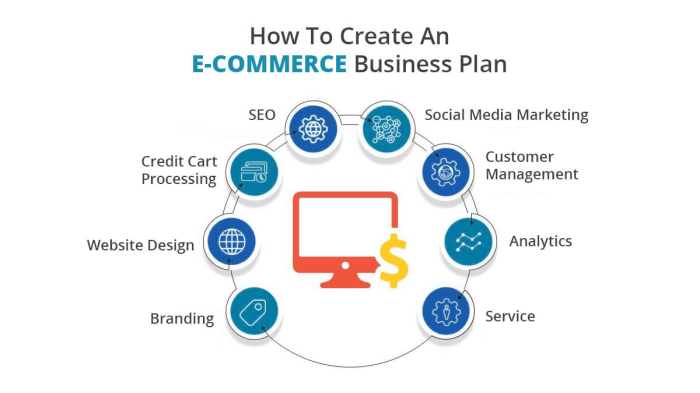
- Utilize social media platforms such as Facebook, Instagram, and Twitter to engage with your target audience and promote your products.
- Invest in pay-per-click (PPC) advertising to reach potential customers who are actively searching for products similar to yours.
- Create compelling content through blogging, video marketing, and influencer partnerships to attract and retain customers.
Importance of , Social Media, and Email Marketing
- (Search Engine Optimization) is essential for improving your website's visibility on search engines like Google, driving organic traffic to your store.
- Social media marketing allows you to build a community around your brand, engage with customers, and drive traffic to your ecommerce store.
- Email marketing is a powerful tool for nurturing leads, promoting products, and driving sales through targeted campaigns.
Creating a Sales Funnel
- Attract visitors to your store through digital marketing efforts and compelling content.
- Engage with visitors through personalized messaging, email campaigns, and retargeting ads to encourage them to make a purchase.
- Convert visitors into customers by offering incentives, discounts, and a seamless checkout process.
Financial Projections and Budgeting
Creating financial projections for an ecommerce business is crucial for understanding the financial health and potential growth of your online store. It involves forecasting sales, expenses, and profits over a specific period, typically one to five years. This process helps you make informed decisions, set goals, and secure funding if needed.Setting a budget and effectively managing expenses are essential for the success of an online store.
A well-defined budget helps control costs, allocate resources wisely, and track financial performance. By monitoring expenses closely, you can identify areas where you can cut costs or reallocate funds to drive growth.
Calculating Key Financial Metrics
When running an ecommerce business, it's important to calculate key financial metrics to measure performance and make data-driven decisions. Here are some essential metrics to consider:
- Return on Investment (ROI): ROI measures the profitability of an investment relative to its cost. It helps assess the effectiveness of your marketing campaigns, product offerings, and overall business strategy. The formula for ROI is:
ROI = (Net Profit / Cost of Investment) x 100%
- Customer Acquisition Cost (CAC): CAC calculates how much it costs to acquire a new customer. This metric is crucial for understanding the effectiveness of your marketing efforts and the sustainability of your business. The formula for CAC is:
CAC = Total Marketing Expenses / Number of Customers Acquired
- Customer Lifetime Value (LTV): LTV estimates the total revenue a customer is expected to generate throughout their relationship with your business. It helps determine how much you can spend on acquiring customers and the profitability of your customer base. The formula for LTV is:
LTV = Average Purchase Value x Average Purchase Frequency x Customer Lifespan
Logistics and Order Fulfillment
Running an ecommerce business involves managing various aspects of logistics and order fulfillment to ensure a smooth operation and timely delivery to customers. Let's delve into the key considerations in this area.
Order Fulfillment Options
- Dropshipping: This method involves partnering with suppliers who directly ship products to customers. It eliminates the need for storing inventory, but you have less control over shipping times and quality.
- Warehousing: Keeping inventory in-house allows for more control over order fulfillment, but it requires storage space and management of inventory levels.
- Third-Party Logistics (3PL): Outsourcing fulfillment to a 3PL provider can streamline operations and reduce costs, but it's crucial to choose a reliable partner.
Optimizing the Supply Chain
Having an efficient supply chain is essential for ensuring timely delivery and maintaining customer satisfaction. Here are some tips for optimizing your supply chain:
- Use data analytics to forecast demand and manage inventory levels effectively.
- Establish strong relationships with suppliers to ensure timely replenishment of stock.
- Implement inventory management software to track inventory movement and prevent stockouts.
- Offer multiple shipping options to customers to cater to their preferences and needs.
- Regularly review and optimize your shipping and fulfillment processes to identify areas for improvement.
Customer Service and Support
Providing excellent customer service is crucial for the success of an ecommerce business. It not only helps in attracting new customers but also in retaining existing ones. In the online shopping world, where customers cannot physically interact with products or staff, exceptional customer service can make a significant difference in building trust and loyalty.
Handling Customer Inquiries and Complaints
- Respond promptly to customer inquiries through multiple channels like email, live chat, or social media.
- Empower your customer service team to resolve issues efficiently and effectively.
- Offer refunds or replacements for damaged or faulty products to show your commitment to customer satisfaction.
Managing Returns
- Have a clear and easy-to-understand return policy on your website to manage customer expectations.
- Streamline the return process to make it hassle-free for customers, ensuring they have a positive experience even when returning a product.
- Use returns as an opportunity to gather feedback and improve your products or services.
Building Customer Loyalty
- Implement a loyalty program that rewards customers for repeat purchases, referrals, or social media engagement.
- Personalize communication with customers to make them feel valued and appreciated.
- Solicit feedback from customers regularly to understand their needs and preferences better.
Final Thoughts
In conclusion, crafting a comprehensive ecommerce business plan is essential for building a profitable online store from scratch. By following the guidelines Artikeld in this template, entrepreneurs can navigate the complexities of the ecommerce industry with confidence and strategic foresight.
Question Bank
What are the key components of a comprehensive ecommerce business plan?
A comprehensive ecommerce business plan includes defining target markets, outlining marketing strategies, setting financial projections, and planning logistics and customer service strategies.
How can I identify target markets and customer segments for my online store?
Market research, customer surveys, and competitor analysis are effective methods to identify and understand target markets and customer segments for an online store.
What are some key elements of an effective ecommerce website design?
Key elements include intuitive navigation, mobile responsiveness, high-quality product images, secure payment gateways, and clear calls-to-action for users.
How can I optimize the supply chain for timely delivery to customers?
Optimizing the supply chain involves efficient inventory management, strategic partnerships with reliable logistics providers, and implementing technology for real-time tracking and updates.